

Garda Alexander is a German-born artist based in Switzerland whose practice unfolds with calm intention rather than spectacle. Her work does not rely on dramatic gestures or visual excess. Instead, it grows from a careful attention to the rhythms and structures found in the natural world. Working across painting, sculpture, spatial concepts, and land-based projects, Alexander moves fluidly between disciplines while maintaining a consistent focus on how color, form, and space shape the relationship between people and their surroundings.
There is a quiet clarity in her approach. Rather than presenting bold declarations or fixed interpretations, Alexander constructs environments that invite observation and reflection. Forms and surfaces are arranged with restraint, encouraging viewers to slow down and experience the work at a more contemplative pace. For Alexander, the task of the artist is not to impose meaning but to notice what already exists within nature’s patterns and structures.
This outlook gives her practice a meditative quality. Whether working on canvas, shaping a sculptural piece, or engraving stone within a landscape, each project becomes a point of connection between perception and environment. The result is work that gently draws attention to the subtle energies that circulate between human experience and the natural world.
At the heart of Alexander’s practice lies a guiding belief: nature communicates through form, and those forms already contain meaning. The artist’s responsibility is simply to recognize them.
“I try to read the energy language of nature that manifests itself in the forms we see,” Alexander says. “I do not create them, I discover them. We have to learn to decode these forms in order to use them.”
This perspective reshapes the usual relationship between artist and material. Instead of controlling or reshaping the environment to fit a concept, Alexander approaches nature as a collaborator. Geological structures, plant patterns, and natural formations become points of departure for visual exploration. In this process, the artwork emerges less as an act of invention and more as an act of recognition.
Nature has also played a deeply personal role in Alexander’s life. Over time, natural landscapes became places where she could recover strength and regain balance. These environments offered moments of quiet that allowed her to confront experiences of pain, trauma, and loss.
In these landscapes she found the resilience to continue forward. As Alexander explains, those spaces helped her rediscover a sense of direction and the strength to choose life again. This experience remains embedded in her work. Many of the environments she creates through art echo the restorative quality of the places that once supported her own healing.
Eventually, this connection led Alexander beyond the studio and into the landscape itself. She began developing land-art projects that bring her ideas directly into natural settings. Rather than working within controlled interiors, she searched for locations that carried emotional or historical resonance.
Each site is chosen with great care. Archaeological importance, geological character, and personal memory all play a role in the selection process. Many of the locations contain an atmosphere of age and mystery. Remote terrain and striking rock formations provide the setting for Alexander’s interventions.
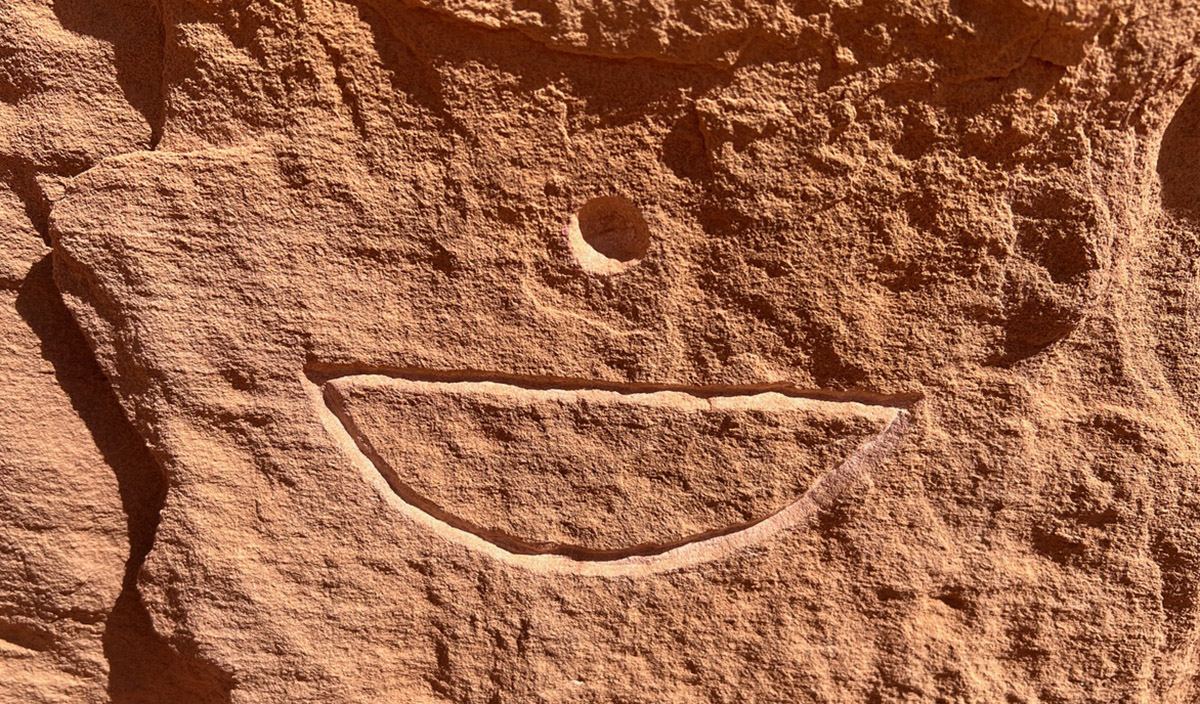
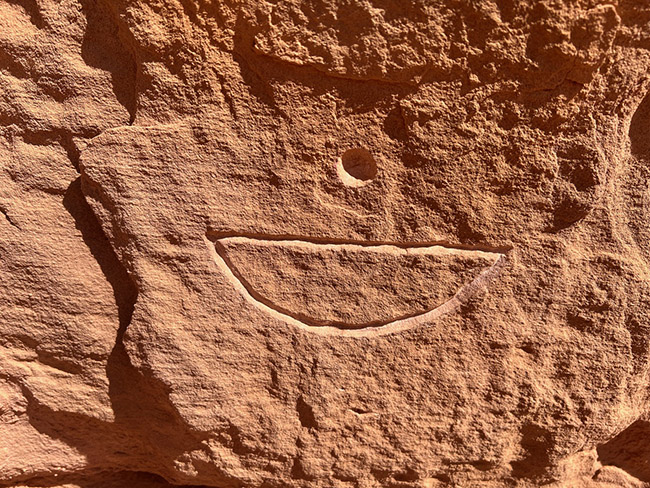
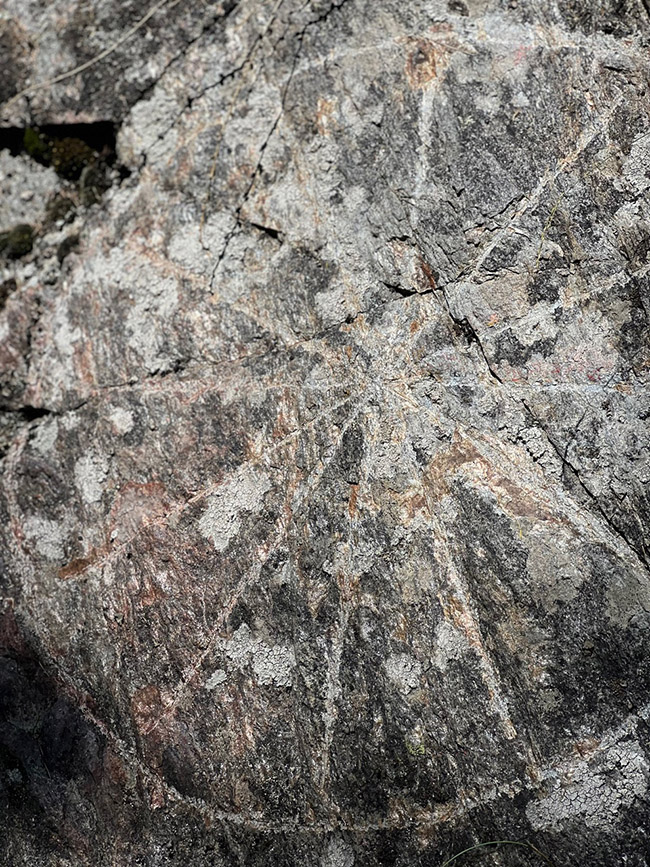
Within these landscapes she carves symbols into large standing stones. The engravings are made using traditional hand tools, maintaining a tactile connection with ancient practices of mark-making. The symbols themselves draw from research into cultural glyphs and early visual languages from different parts of the world.
The effect is quietly evocative. Visitors who encounter these carved stones might feel as though they have stumbled upon the remnants of an unknown prehistoric site. At the same time, the works are unmistakably contemporary gestures that acknowledge the enduring relationship between human cultures and the landscapes they inhabit.
Alexander intentionally avoids offering fixed interpretations of the symbols. Instead, the stones function as open invitations. People moving through the site are encouraged to create their own meanings, allowing imagination and intuition to guide their experience.
For Alexander, the engraved shapes function almost like fragments of a forgotten code. By bringing together visual languages from multiple cultures, she hopes to spark awareness of ancient knowledge that still exists within human consciousness.
She views these projects as a way of reconnecting with both shared cultural memory and inner understanding. The carved signs remind viewers that human thought has always been deeply intertwined with natural cycles, forces, and energies.
So far, Alexander has completed three major land-art projects in Switzerland, Ireland, and Egypt. Each location carries its own atmosphere while reflecting the same underlying intention: encouraging respect for the natural environments that surround us.
One of these projects, Staziun da Forza in Switzerland, creates a quiet landscape marked by engraved stones. The work forms a place where visitors can pause, breathe, and reflect. Rather than imposing itself on the terrain, the installation becomes part of it, offering subtle markers within the wider environment.
Through projects like this, Alexander hopes to bring attention to the importance and vulnerability of natural landscapes. Her work suggests that these places are not merely scenic settings but living spaces that deserve care and awareness.
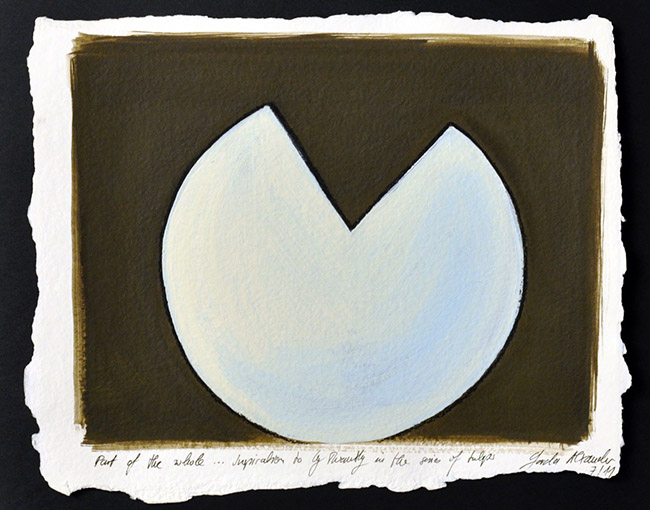
The influence of these outdoor works also continues inside the studio. Alexander’s paintings and spatial concepts explore similar questions about perception and environment. Color relationships, compositional balance, and structural forms become tools for shaping atmosphere.
Within these works, color operates as more than decoration. It functions as a force capable of shaping emotional response. Contrasts and spatial arrangements guide the viewer through the composition, subtly influencing how the work is experienced.
Alexander believes visual language operates both consciously and unconsciously. Color, rhythm, and form can quietly influence how people feel within a space, often without them realizing it.
For her, these elements are not simply aesthetic decisions but part of a broader inquiry into human perception. By paying closer attention to how color and form affect us, she believes we can better understand both our inner lives and the environments we create.
Across landscapes, sculptures, and paintings, Garda Alexander’s work continues to offer a quiet invitation: to slow down, look carefully, and rediscover the subtle relationship between human awareness and the living world that surrounds it.
