

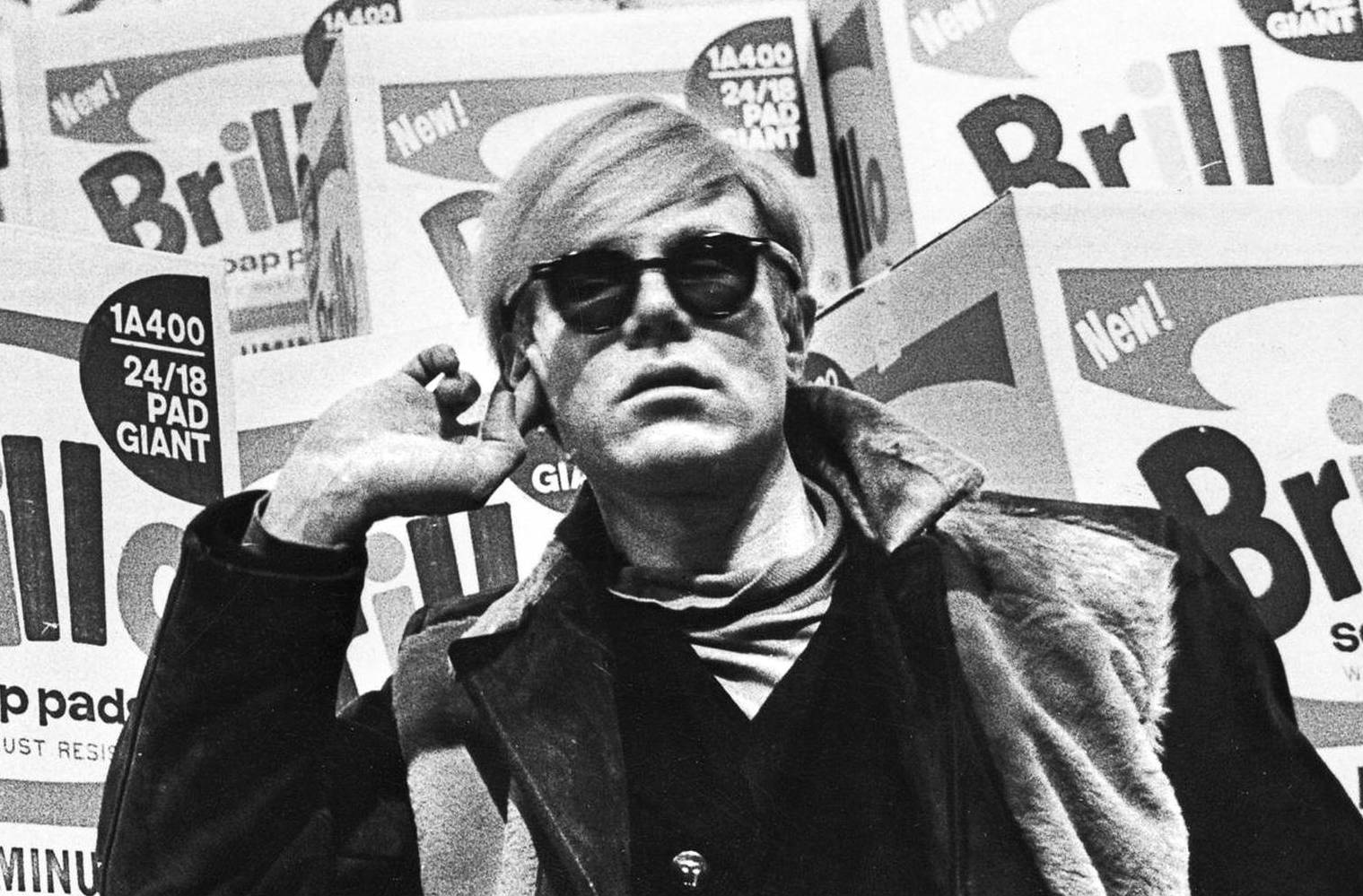
Andy Warhol’s rise from commercial illustrator to one of the most influential artists of the twentieth century reflects a remarkable understanding of art, celebrity, consumer culture, and mass communication. Born Andrew Warhola in Pittsburgh, Pennsylvania, in 1928, Warhol grew up in a working-class immigrant family. As a child, he experienced periods of illness that kept him away from school. During this time, he developed an interest in drawing, photography, movies, and popular celebrities. These early experiences helped shape the visual language that would later define his career.
After studying commercial art at the Carnegie Institute of Technology, now Carnegie Mellon University, Warhol moved to New York City in 1949. He quickly became a successful commercial illustrator, creating advertisements and illustrations for magazines, department stores, and fashion companies. His elegant drawings of shoes became especially recognizable. This commercial background gave Warhol a deep understanding of branding, repetition, presentation, and the persuasive power of images.
By the early 1960s, Warhol began moving away from commercial illustration and into the emerging Pop Art movement. While many traditional artists focused on personal expression or abstraction, Warhol turned his attention to everyday products and images from popular culture. He created paintings of Campbell’s Soup cans, Coca-Cola bottles, dollar bills, comic-strip characters, and Hollywood stars. These subjects were familiar to almost everyone, but Warhol presented them in ways that encouraged viewers to reconsider their meaning.
His 1962 exhibition of Campbell’s Soup Can paintings became an important moment in his career. By displaying individual paintings of different soup varieties, Warhol transformed an ordinary supermarket product into fine art. The work questioned the boundaries between originality and reproduction, as well as between artistic culture and commercial culture.
Warhol’s use of silkscreen printing further established his distinctive style. The process allowed him to reproduce the same image repeatedly while introducing variations in color, texture, and clarity. Portraits of Marilyn Monroe, Elvis Presley, and Elizabeth Taylor became among his most famous works. Behind their bright colors and glamorous surfaces, these images also explored the fragility of fame, identity, and public perception.
In 1964, Warhol opened the Factory, his famous New York studio. It became a gathering place for artists, musicians, actors, writers, socialites, and underground personalities. Warhol expanded beyond painting into filmmaking, music, photography, publishing, and performance. His association with the Velvet Underground and his experimental films strengthened his position at the center of New York’s cultural scene.
Warhol’s rise was not simply the result of artistic talent. He understood how attention, publicity, and recognizable imagery could create cultural influence. He turned himself into a carefully constructed public figure, often appearing distant, mysterious, and fascinated by fame.
By the time of his death in 1987, Warhol had permanently changed the relationship between art and popular culture. His rise demonstrated that advertisements, celebrities, and consumer products could become serious artistic subjects. Today, his influence remains visible across contemporary art, fashion, design, music, social media, and celebrity culture.
