
Art, for William Schaaf, has never been about surface beauty. It’s been a way to work things out—spiritually, emotionally, and physically. At 80, he’s still showing up to the studio. Still molding forms from bronze, layering pigment on canvas, and watching the spirit of the horse move through each piece. Schaaf has spent over six decades with the horse as a central figure—not as a literal image, but as a symbol. The horse, in his hands, becomes a carrier of memory, a spiritual force. His connection to Zuni and Navajo fetish traditions runs deep—not for imitation, but to honor the role of object as healing tool.
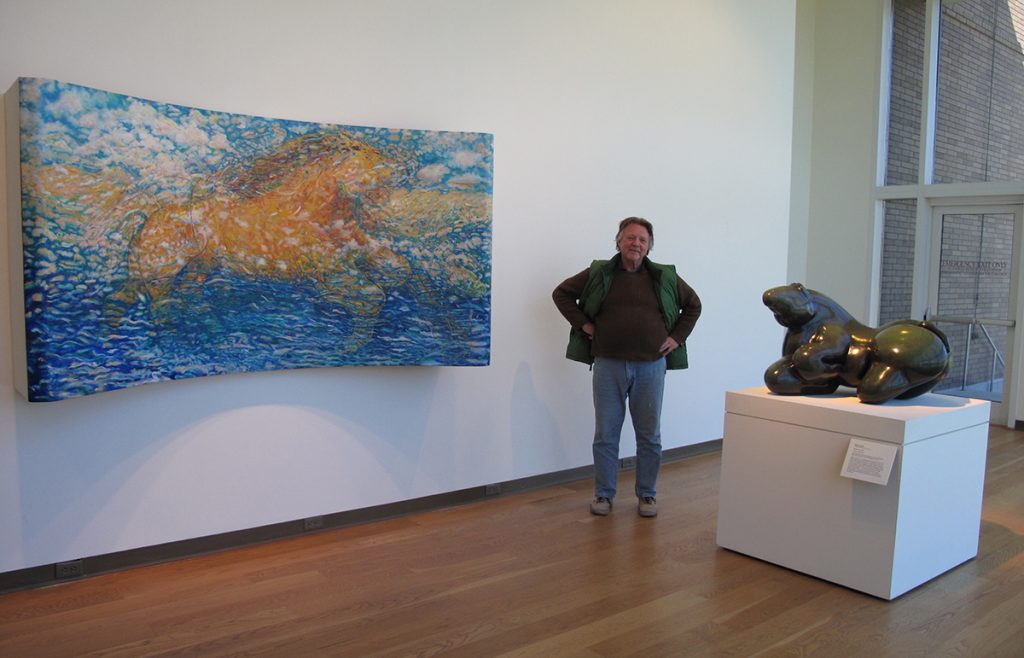
His sculptures and paintings are meant to be felt, not just seen. Schaaf often works in bronze, patinated to echo the color and feel of stones like turquoise or jade—materials known for their healing properties. He doesn’t just create something to look at. He creates something you’re supposed to interact with. Some of his work even invites touch.
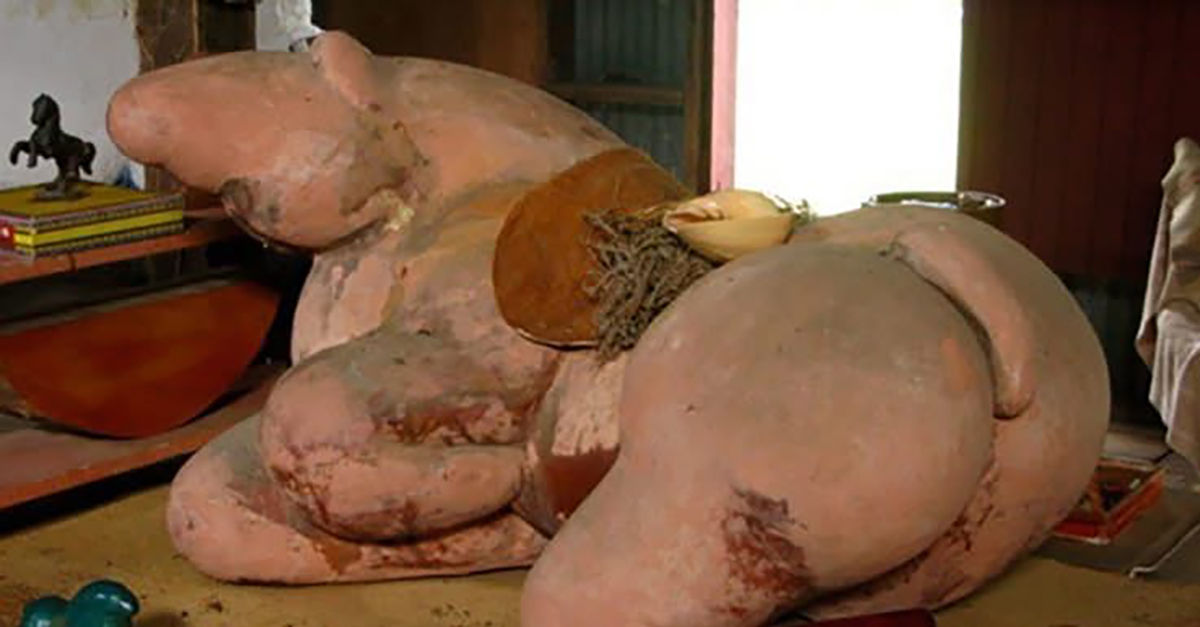
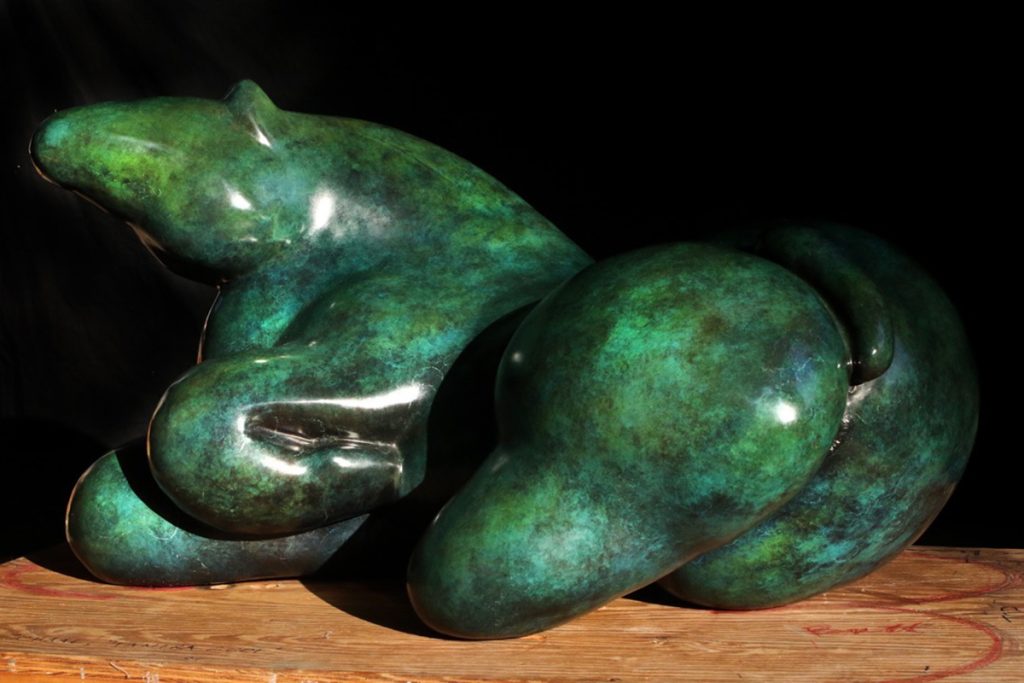
Tantra Gurl is a good example. The 36-inch bronze sculpture lives in several Florida museums. Schaaf sees her as a large-scale fertility fetish—a “power horse” with presence. Her form is full of intention, and her surface is finished in rich, mineral tones that suggest ritual and memory. He describes the patination process as “watercoloring with chemicals,” which captures both the danger and care involved. There’s nothing accidental in her making.
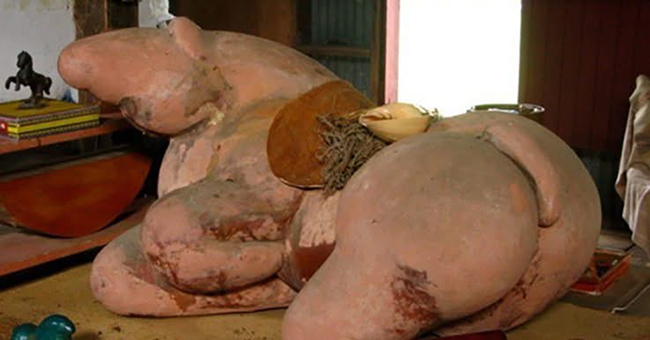
And people notice. Tantra Gurl has been brought into places like a Kentucky breeding barn, where she served not as decoration, but as a spiritual guest. When she was shown at the Harn Museum of Art, viewers were drawn to her. They wanted to touch her, feel her presence. Schaaf encouraged it. He even told people to wear cotton gloves so they could polish the bronze with their hands. But the sculpture also stirred discomfort. Her curves, her energy—some called it erotic. She was eventually removed from display and stored away, quietly, for years.
That wasn’t the only time she came close to disappearing. The original clay version almost didn’t survive. Schaaf sculpted it to fit a custom kiln. But a cold snap and too much moisture almost ruined the form. He and his team wrapped the sculpture in electric blankets just to keep it from cracking. Then the kiln exploded. The piece was damaged. The original buyer backed out. But another collector, watching the whole saga unfold, stepped in. They offered to cast the sculpture in bronze, along with two others. Schaaf calls that turn of events Fortunata. Just enough luck to keep the work alive.
Another piece, River Horse, shows a different side of his approach. It’s an oil painting that now sits in the Orlando Museum of Art. The tone is softer, less physical. While Tantra Gurl stands boldly in space, River Horse feels almost like a dream—something remembered more than seen. Schaaf doesn’t aim for anatomical precision. His focus is on energy. On presence.
What ties these works together is his belief in the horse as a kind of medicine. Not a fix. More like a companion. A quiet guide. Schaaf doesn’t split the spiritual from the sensual, or the real from the mythic. He lets it all mingle. His bronzes feel ceremonial. His paintings feel intimate. Both are grounded in personal truth.
He returns again and again to Indigenous craft and purpose—not to imitate but to respect. He knows the difference between copying a form and honoring its meaning. That attention—to what an object does, not just what it looks like—defines much of his work.
Even now, there’s no sign that Schaaf is slowing down. His studio is still active. His materials are still familiar. The horses are still arriving—some fierce, some quiet. Each one tells a story. Each one makes room. Schaaf isn’t chasing endings. He’s making space—for memory, for healing, and for whatever comes next.
