

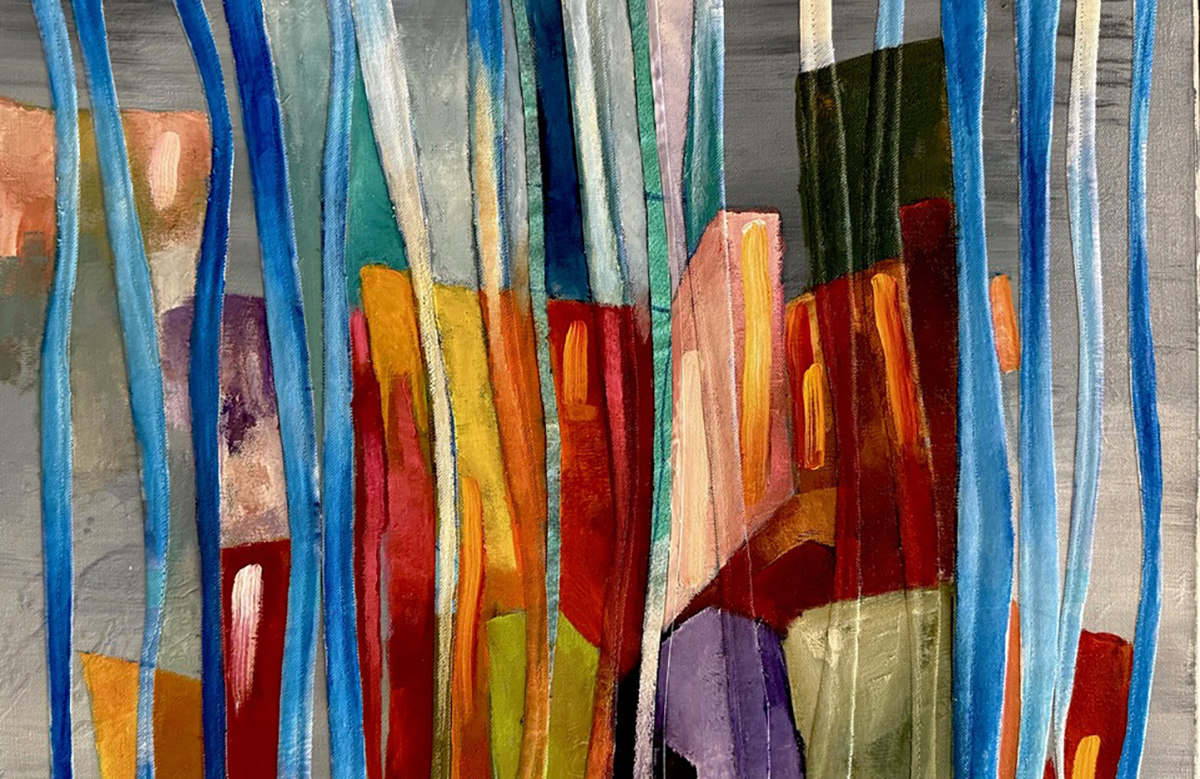
Born in Lisbon in 1962, Miguel Barros has developed an artistic practice shaped by migration, cultural overlap, and personal reflection. Having lived between Portugal, Angola, and Canada, his experiences across different environments continue to influence the emotional atmosphere of his paintings. In 2014, Barros moved from Angola to Calgary, Canada, placing physical distance between himself and the city that remains closest to him creatively: Lisbon. Rather than fading with time, this separation has deepened his connection to the city. Lisbon reappears throughout his work not simply as a real location, but as an internal space rebuilt through memory, imagination, and longing.
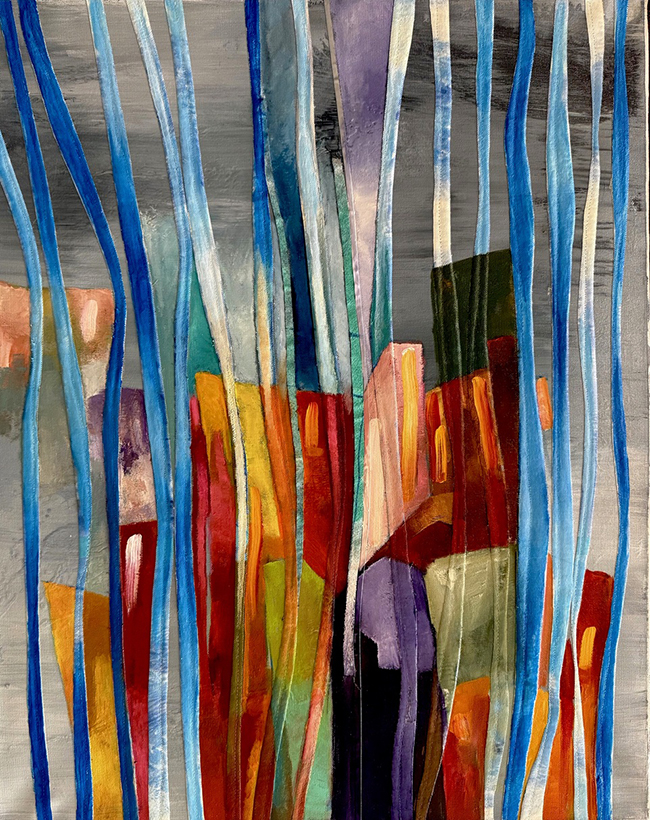
With a background in Architecture and Design from IADE in Lisbon, Barros carries an understanding of structure and spatial composition into his paintings. Yet his work avoids rigidity. Architectural forms become softened through light, atmosphere, and emotion, allowing the paintings to move naturally between precision and instinct. Perspective, geometry, and balance exist quietly beneath the surface, supporting scenes that feel reflective, intimate, and emotionally open. Through streets, stairways, tiled walls, and urban reflections, Barros transforms the city into something deeply personal and human.
Painting, for Barros, functions as a bridge between past and present. It allows him to reconnect with his origins while living elsewhere. Through layers of color, texture, and shifting light, he rebuilds fragments of Lisbon into spaces suspended between recollection and imagination. His paintings carry both the solitude of distance and the comfort of return.
Lisbon as Memory, Atmosphere, and Emotion
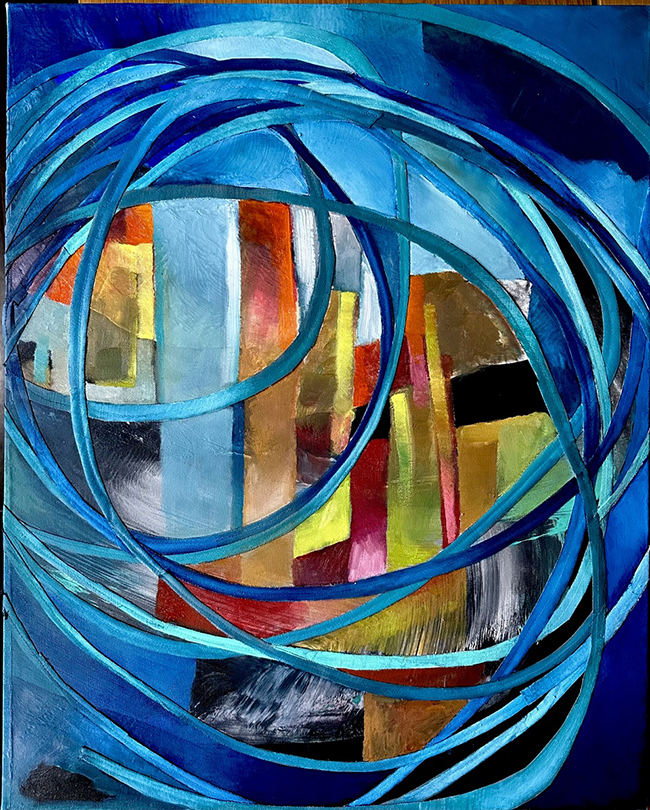
The paintings Wandering around Largo do Chiado in Lisbon and Lisbon Cathedral after the Rain, both oil on canvas works measuring 61 x 77 cm, reflect Barros’ ongoing emotional dialogue with Lisbon. These works are not concerned with literal representation. Instead, they operate as visual memories shaped by feeling, where the city becomes filtered through absence, nostalgia, and imagination.
Barros describes his paintings as the record of someone living far from home, using art as a way to remain emotionally connected to his roots. Lisbon appears throughout the work almost like a remembered dream, recognizable yet transformed through time and distance. He paints not only the city itself, but the emotional experience of remembering it. In his hands, Lisbon shifts from physical place into emotional terrain.
A strong influence within the work comes from Portuguese azulejos, the painted ceramic tiles that define much of Lisbon’s visual identity. Their rhythmic geometry, reflective surfaces, and luminous blues echo throughout Barros’ compositions. He connects these blue tones to the Tagus River through the poetic idea of “Azul’Tejo,” where river, sky, tile, and memory merge into a single atmosphere. Blue becomes symbolic rather than decorative. It carries history, longing, serenity, and the emotional pull of the Atlantic.
In Wandering around Largo do Chiado in Lisbon, the city emerges gradually through layered perspectives and shifting passages of light. Streets stretch across the canvas with the rhythm of brushwork itself, guiding the viewer through spaces that feel contemplative rather than fixed. The painting captures the quiet experience of wandering through memory. Buildings and architectural details remain visible, but softened, as though seen through time rather than direct observation.
Lisbon Cathedral after the Rain approaches the city through reflection and stillness. Rain transforms the surface of the city, allowing light to scatter gently across streets and stone. Reflections blur the boundary between architecture and atmosphere, creating a layered visual space where memory and reality seem to overlap. The cathedral becomes less an architectural landmark and more an emotional presence within the composition, grounded yet fragile beneath shifting light.
Throughout Barros’ paintings, Lisbon continually moves between reality and imagination. Narrow streets carry traces of unseen lives. Stairways climb toward distant brightness. Arches frame moments that feel suspended outside ordinary time. Walls, windows, and corners participate in a process of emotional reconstruction, as though the city is constantly being repainted internally through memory.
Although deeply personal, Barros’ work speaks to broader experiences tied to migration, identity, and belonging. His paintings explore what happens when distance changes the way a place exists within the mind. Separation becomes both painful and productive, allowing memory to reshape reality into something more poetic and emotionally layered.
In Barros’ vision, Lisbon becomes a living composition built from color, atmosphere, reflection, and remembrance. The city transforms into a space where architecture and emotion coexist naturally. Through painting, he preserves not only the image of Lisbon, but the feeling of remaining connected to it across time and distance.
